


What to Sow in November

In November you can still sow and plant a dwindling group of hardy vegetables and salad leaves. Also, a range of flower seeds that require a period of cold to trigger germination.
Early Peas
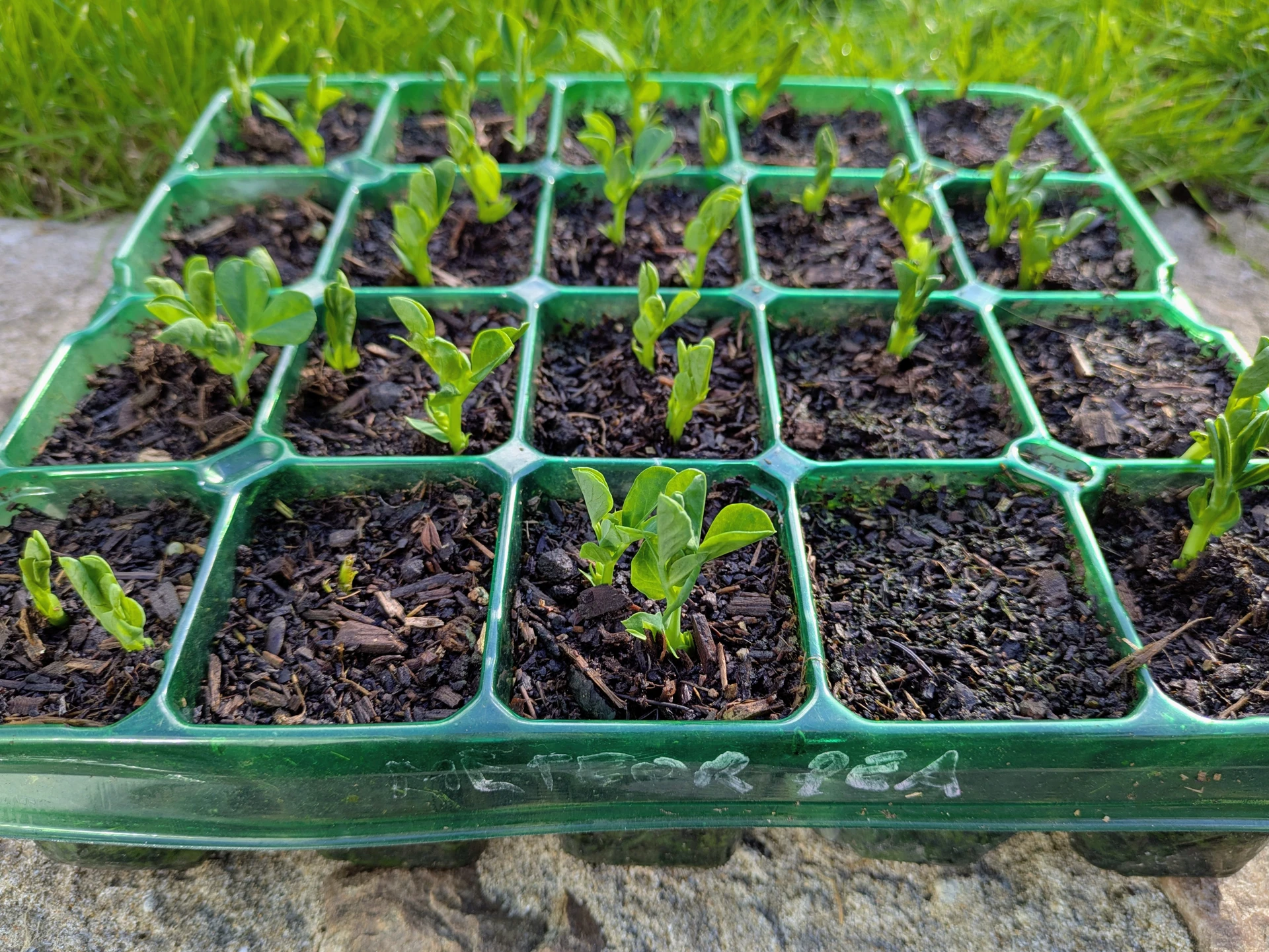
Meteor Pea Seedlings
If you want a head start you can sow smooth (non wrinkly) pea varieties into early November. Wrinkly varieties are more vulnerable to rotting in the cool damp conditions. You can either overwinter or use for tender pea shoots. Best started in modules or guttering with suitable rodent protection!
Varieties
Meteor: A very frost-hardy first-early variety growing to roughly 75cm, producing small, well-packed pods of smooth peas.
Feltham First: A classic, dependable early variety suited for late-season and winter-protected sowings.
Douce Provence: A reliable, hardy French dwarf variety (about 45cm tall) with a sweet flavor that handles autumn or spring sowings well.
Broad Beans & Field Beans
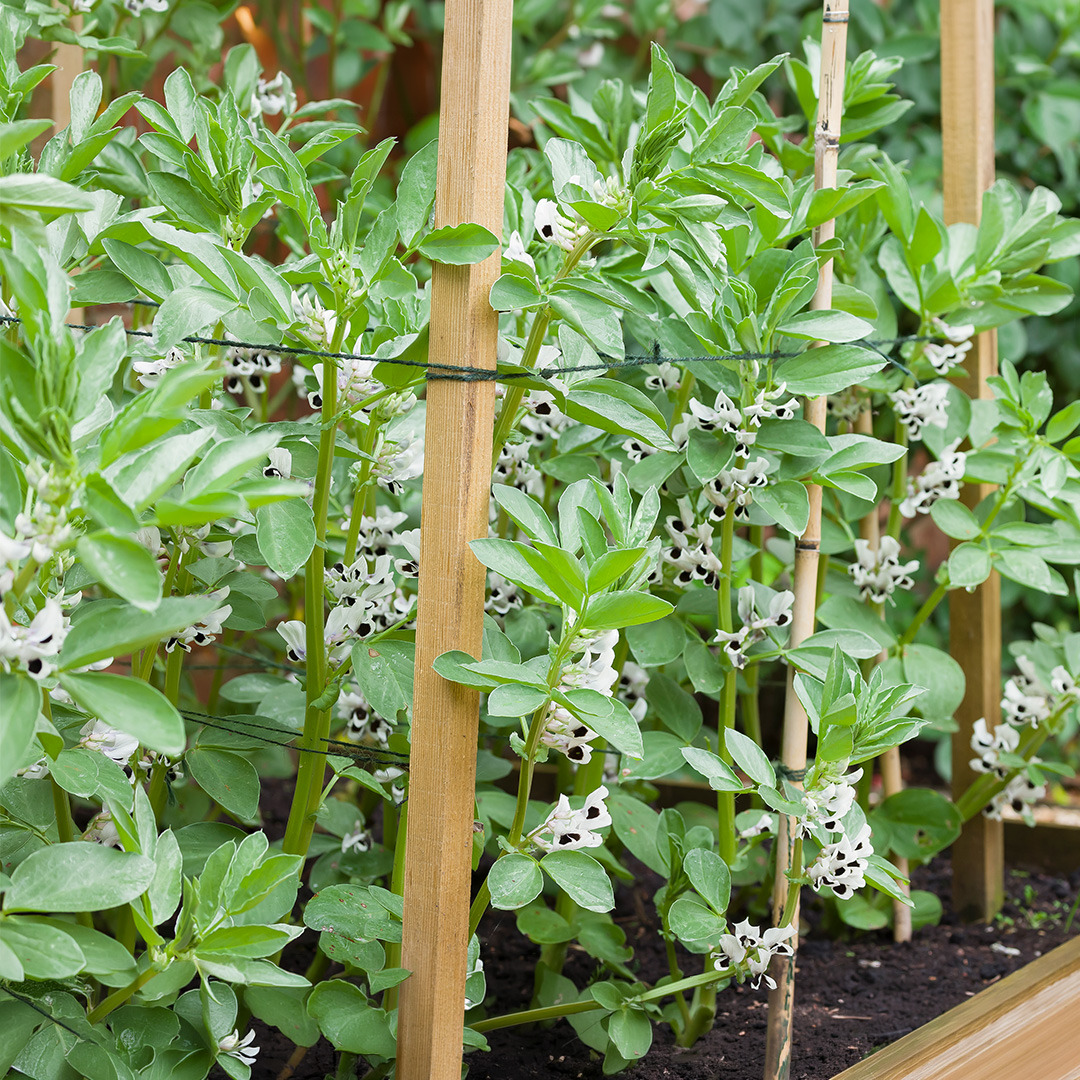
You need to get your skates on, perhaps start them in modules or under fleece - timing is everything, if they are too small at the start of winter they might struggle.
Varieties
Aquadulce Claudia / Super Aquadulce: The top choice and most reliable hardy cultivar for autumn planting.
The Sutton: An excellent dwarf variety only reaching 45cm it - is particularly suitable for windy sites. An excellent productive dwarf Broad Bean.
Field Bean 'Vespa': Hardier & more reliable for autumn sowing than regular broad beans. This is a modern heavy yielding variety with thin skins and a long cropping period.
Spring Onions

You can still sow a few hardier varieties of spring onion for earlier harvests. Best sown indoors and then moved under protection of a cloche, tunnel or greenhouse when they have germinated - planting in pots or containers that can be moved under cover is also an option!
Varieties
Performer: This bunching onion produces upright, dark green leaves and mild flavoured stems which do not bulb. It is a perennial onion but is often used as a spring onion. Winter hardy, it can be harvested virtually year round from successional sowings.
White Lisbon - Winter Hardy: Specially selected from standard White Lisbon specifically for winter hardiness, making it suitable for autumn sowing for a spring harvest.
Onion Sets
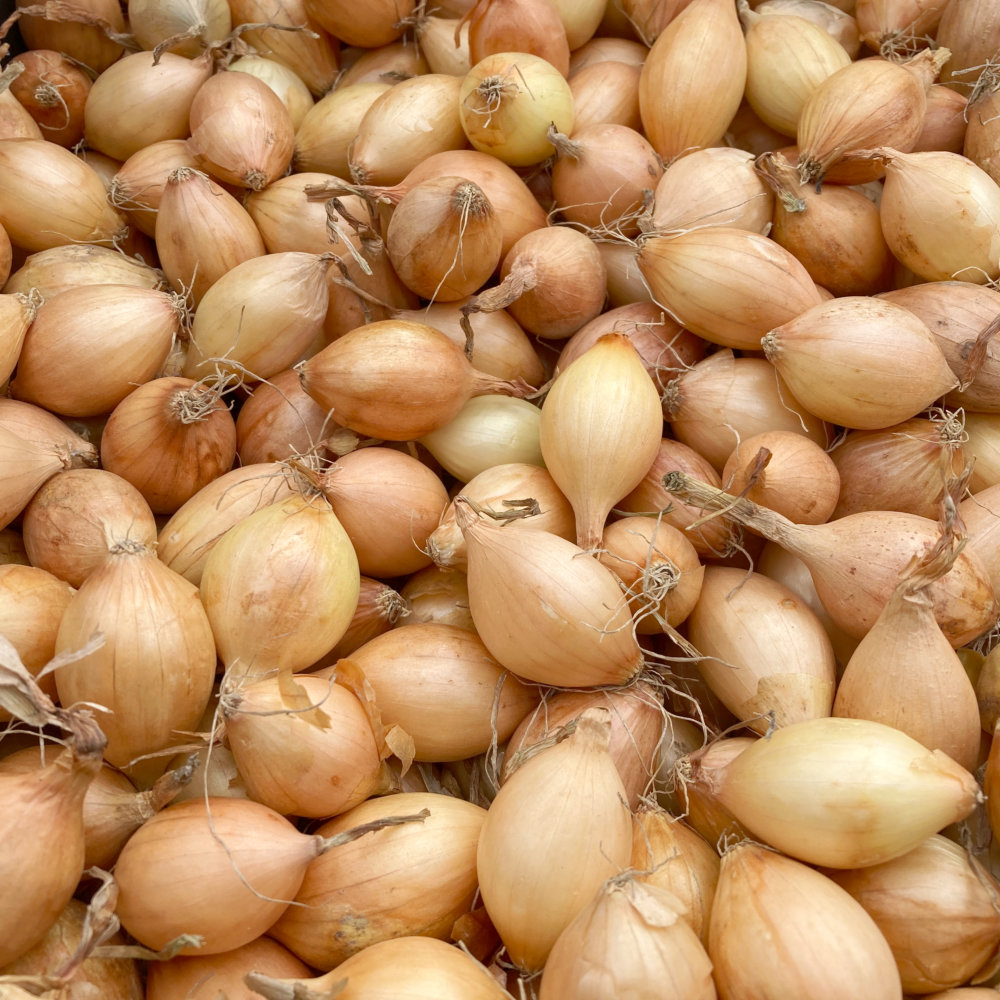 Yellow Winter Onions
Sow sets in Autumn for an earlier crop, better drought tolerance with better root development than spring sown. Easier than seeds - but unfortunately prone to bolting.
Varieties
Senshyu Yellow: A dependable Japanese overwintering type that produces straw-coloured, semi-flat bulbs ready for an early harvest from late June.
Winteria: A hardy, overwintering variety developed from 'Radar' to perform well in UK growing conditions.
Red Winter: An autumn planted, cold hardy variety of red onion with good keeping qualities and mild sweet flavour.
Snowball: Produces attractive, round bulbs with white skins and flesh, with a mild flavour.
Garlic

Sowing garlic in the autumn gives roots time to establish in still-warm soil and fills otherwise empty space. Hardneck varieties offer big flavour but require a cold spell to be able to form bulbs - they also don't store well. Softneck varieties are more suitable for milder climates, have a milder flavour and store well.
Germidour: A popular, award-winning purple-skinned softneck with a mild, rounded flavor.
Messidrome: White softneck variety with excellent flavour for all culinary uses.
Extra Early / Maddock Wight: An early-maturing hardneck offering crisp, fresh flavor and an early harvest.
Supermarket Gamble: I have had decent success with large loose soft neck garlic from the local branch of the L.I.D.L - a low risk economical option.
Of course, if you are organised, you could keep a few of your allotment grown bulbs back for growing year in year out with zero future cost.
Lettuce / Greens
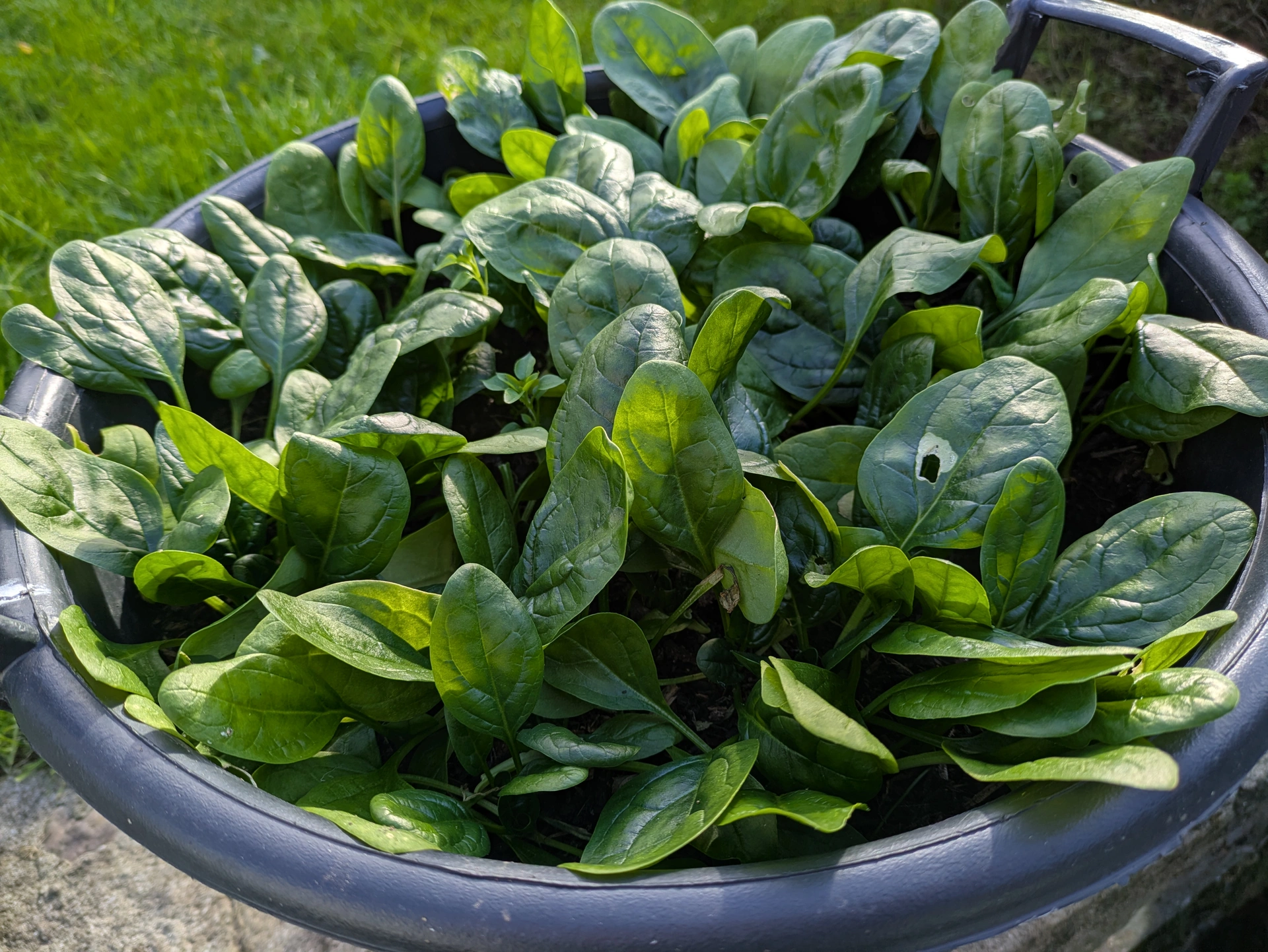
Giant Winter Spinach Baby Leaves
It's still possible to grow lettuce and other greens through the winter - although best started indoors and moved under cover of a greenhouse when they have germinated.
Winter Density Lettuce: A hardy old English variety perfect for over-wintering that is very easy to grow semi-cos (Romaine-butterhead hybrid).
Rocket: Wild Rocket and Salad Rocket can be sown under protection and should be hardy enough to provide some useful greenery.
Mizuna: Fast growing, cold tolerant Japanese mustard greens. They produce feathery/serrated leaves with a mild peppery flavour. Ideal for cut and come again harvesting.
Giant Winter Spinach: A large-leaved, winter-hardy variety which is best sown by the end of October for cutting in late winter and early spring. It can also be sown in March for an early summer crop.
Pak Choi: Sown under cover and grown in the greenhouse or under cloches/tunnels, young leaves can be used in salads and maybe even stir-fries in late winter.
Green Manures
There is still time to sow some green manures - grazing rye, field beans and (if you are quick) winter tares/vetch. These will still have time to grow and establish, providing cover and nutrients to otherwise empty beds.
Flowers to sow in November

Eryngiums - Photo by Yaya Freeman on Unsplash
There are still some flowers that can be sown in November - some in situ where you want them to flower and others that would be best in pots, trays or modules in the greenhouse or a cold frame.
Eryngium: Requiring a period of cold to germinate, these bee friendly perennials are good to sow in pots or trays in an unheated greenhouse or cold frame. They will take their time to germinate - but you should see some signs of life by spring!
Alliums: As with Eryngiums, alliums require a period of cold stratification (winter chilling) to break their dormancy and trigger germination. Varieties like Allium Stipitatum, Allium Roseum and Allium Hollandicum are suitable.
Fritillaria Meleagris (Snake's head fritillary): Aka the Chequered Daffodil, Chess Flower, Frog Cup, Leper Lily and Guinea-hen flower. With all these wild names you expect something different - the flowers are beautiful and marked with a delicate chequerboard pattern in shades of purple. These also require a period of cold to trigger germination.
Sweet Peas: For early blooms pick varieties bred to tolerate the winter under cover or in a sheltered spot - Winter Sunshine, Spring Sunshine, Solstice Series and some heirloom varieties like Cupani, Painted Lady and Spencer Old Times.
Comments
Login to commentThere are no comments...