


What to Sow in October

Everything is slowing and cooling down, but there are still a few things you can get in the ground for an earlier crop next year.
Early Peas
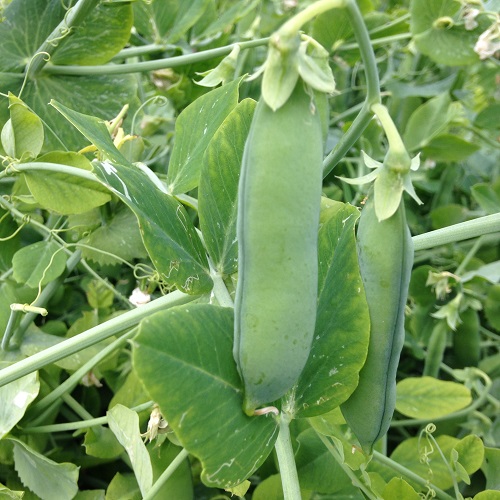
Meteor Peas
If you want a head start you can sow smooth (non wrinkly) pea varieties through October into early November. Wrinkly varieties are more vulnerable to rotting in the cool damp conditions.
Varieties:
Meteor: A very frost-hardy first-early variety growing to roughly 75cm, producing small, well-packed pods of smooth peas.
Feltham First: A classic, dependable early variety suited for late-season and winter-protected sowings.
Douce Provence: A reliable, hardy French dwarf variety (about 45cm tall) with a sweet flavor that handles autumn or spring sowings well.
Pilot: One of the hardiest of all varieties in cultivation. Grown since 1904, when it was awarded the Award of Merit by the Royal Horticultural Society. Also mentioned in the ‘Dig for Victory’ guides. I can't find these in the UK however.
Broad Beans & Field Beans
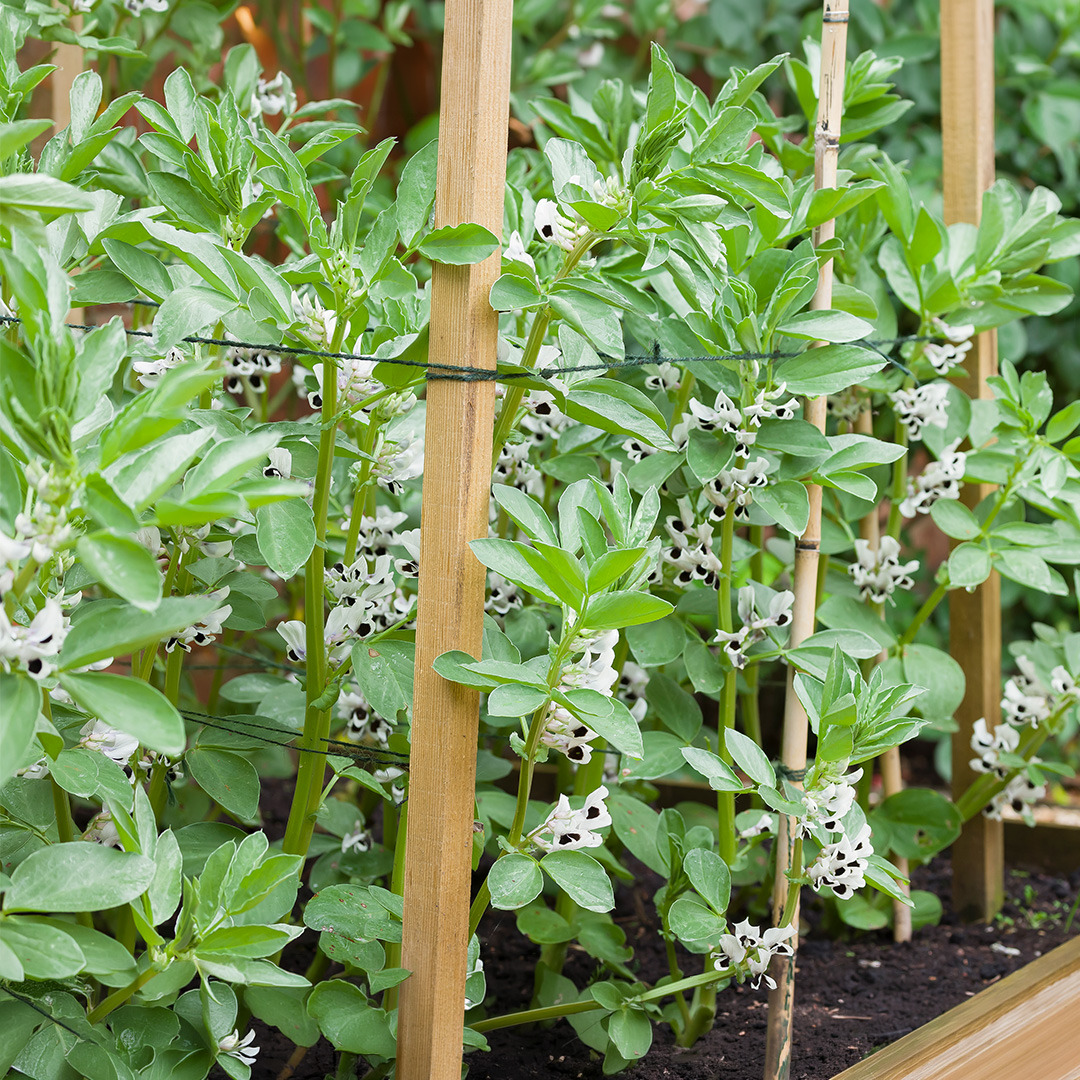
Broad Bean Grano Violetto
Sowing broad beans in autumn has a few benefits; An earlier crop, a better chance of avoiding or being more resilient to Black fly, a better root system by early spring - meaning better drought tolerance, good ground cover to protect the soil and fix nitrogen, plus there will be earlier flowers for our bees.
Varieties
Aquadulce Claudia / Super Aquadulce: The top choice and most reliable hardy cultivar for autumn planting.
The Sutton: An excellent dwarf variety only reaching 45cm it - is particularly suitable for windy sites. An excellent productive dwarf Broad Bean.
Grano Violetta: An unusual, Italian heritage broad bean variety known for its vibrant purple seeds and rich flavor.
Field Bean 'Vespa': Hardier & more reliable for autumn sowing than regular broad beans. This is a modern heavy yielding variety with thin skins and a long cropping period.
Onion Sets
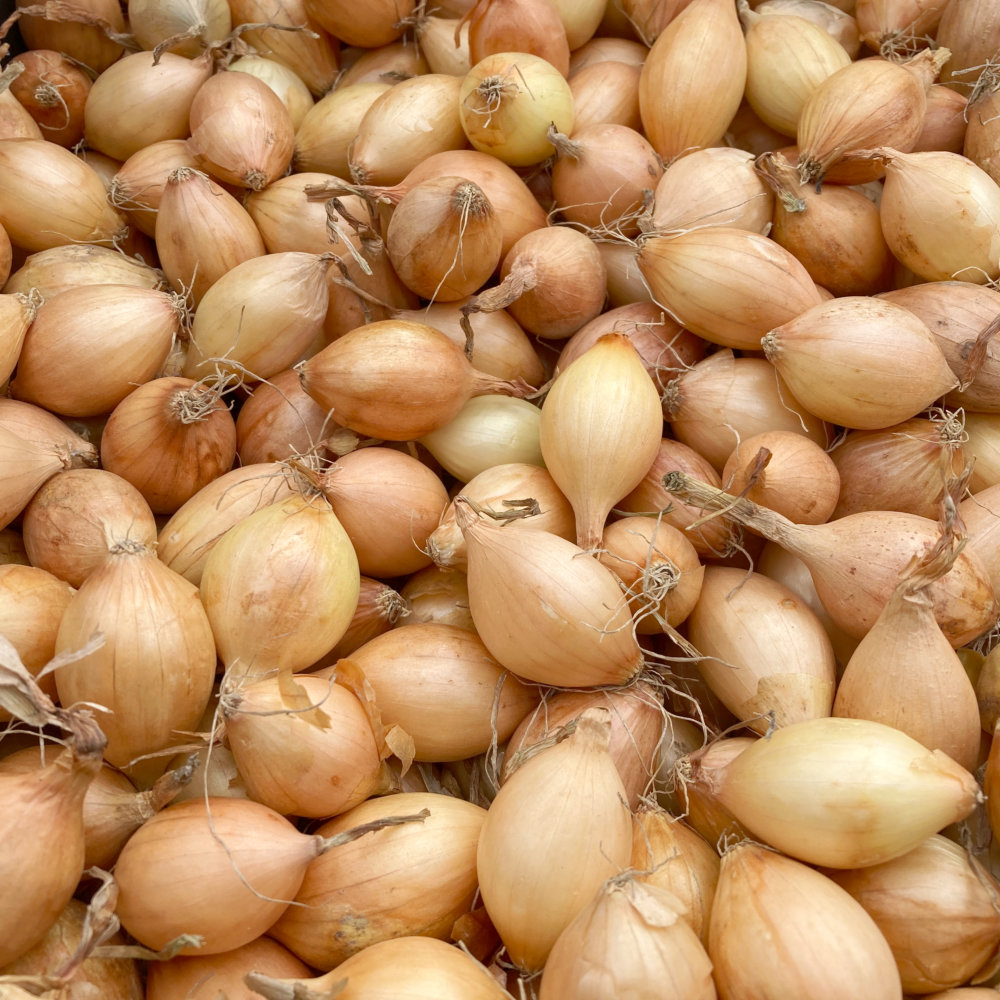
Yellow Winter Onions
Sow sets in Autumn for an earlier crop, better drought tolerance with better root development than spring sown. Easier than seeds - but unfortunately prone to bolting.
Varieties
Senshyu Yellow: A dependable Japanese overwintering type that produces straw-coloured, semi-flat bulbs ready for an early harvest from late June.
Winteria: A hardy, overwintering variety developed from 'Radar' to perform well in UK growing conditions.
Red Winter: An autumn planted, cold hardy variety of red onion with good keeping qualities and mild sweet flavour.
Snowball: Produces attractive, round bulbs with white skins and flesh, with a mild flavour.
Garlic

Photo by Colin Watts on Unsplash
Sowing garlic in the autumn gives roots time to establish in still-warm soil and fills otherwise empty space. Hardneck varieties offer big flavour but require a cold spell to be able to form bulbs - they also don't store well. Softneck varieties are more suitable for milder climates, have a milder flavour and store well.
Germidour: A popular, award-winning purple-skinned softneck with a mild, rounded flavor.
Messidrome: White softneck variety with excellent flavour for all culinary uses.
Extra Early / Maddock Wight: An early-maturing hardneck offering crisp, fresh flavor and an early harvest.
Supermarket Gamble: I have had decent success with large loose softneck garlic from the local branch of the L.I.D.L - a low risk economical option.
Of course, if you are organised, you could keep a few of your allotment grown bulbs back for growing year in year out with zero future cost.
Lettuce / Greens
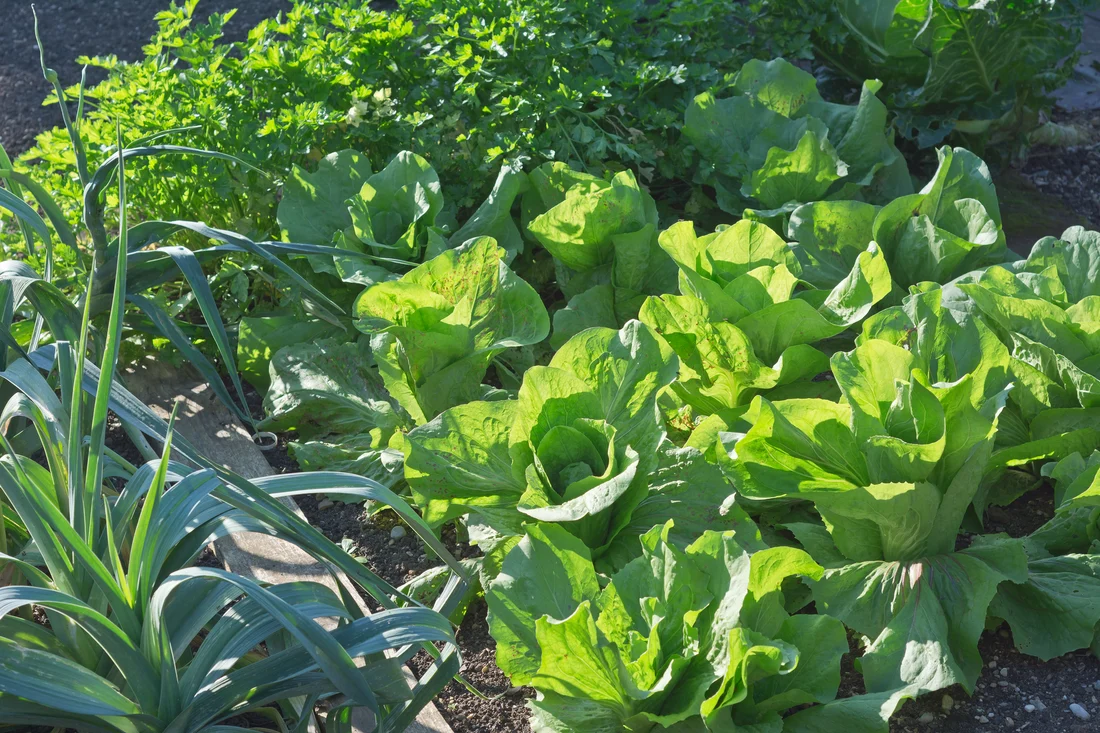
Winter Density Lettuce
It's still possible to grow lettuce and other greens through the winter - although some will be more suited to being under cover.
Winter Density Lettuce: A hardy old English variety perfect for over-wintering that is very easy to grow semi-cos (Romaine-butterhead hybrid).
Rocket: Wild Rocket and Salad Rocket can be sown under protection and should be hardy enough to provide some useful greenery.
Giant Winter Spinach: A large-leaved, winter-hardy variety which is best sown by the end of October for cutting in late winter and early spring. It can also be sown in March for an early summer crop.
Coriander: A surprisingly hardy herb that can still be sown under protection in October. It will tolerate a light frost and I have even seen some self seeded plants survive a covering of snow!
Green Manures
There is still time to sow some green manures - grazing rye, field beans and (if you are quick) winter tares/vetch. These will still have time to grow and establish, providing cover and nutrients to otherwise empty beds.
Sweet Peas and Other Flowers
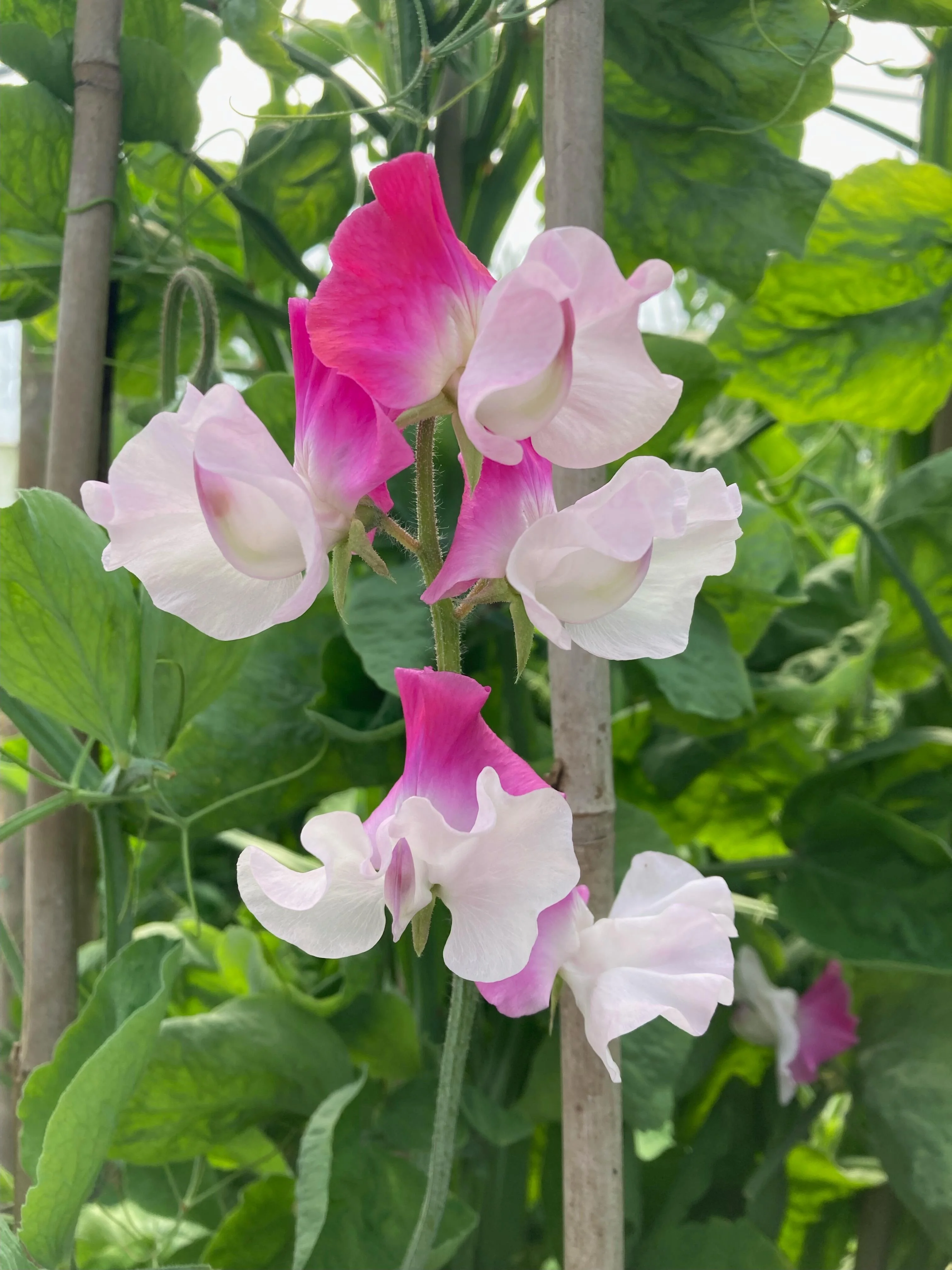
Sweet Peas
There are quite a lot of flowers seeds that can be sown during October - some in situ where you want them to flower and others that would be best in modules in the greenhouse.
Sweet Peas: For early blooms pick varieties bred to tolerate the winter under cover or in a sheltered spot - Winter Sunshine, Spring Sunshine, Solstice Series and some heirloom varieties like Cupani, Painted Lady and Spencer Old Times.
Nigella (Love in a mist): A pretty and reliable half hardy annual. Direct sowing is advised since they don't enjoy root distubance.
Cornflower: Best known for their vivid blue colour, although pink, white and burgundy varieties are also available. Ideally, sow cornflower seeds directly where plants are to flower but can be sown in pots and modules for earlier flowering.
Larkspur: A cottage garden plant, adding height and colour to border displays Sowing in October gives you stronger, bigger plants with earlier and longer-lasting flower spikes the following summer.
Poppies/Papaver: You get an abundant display in late spring and early summer (often weeks ahead of spring-sown seeds), best sown directly where you want them to flower.
Comments
Login to commentThere are no comments...